What Lifestyle Creep Looks Like In Real Life
A practical guide to spotting lifestyle creep after income rises and choosing which upgrades are worth keeping.
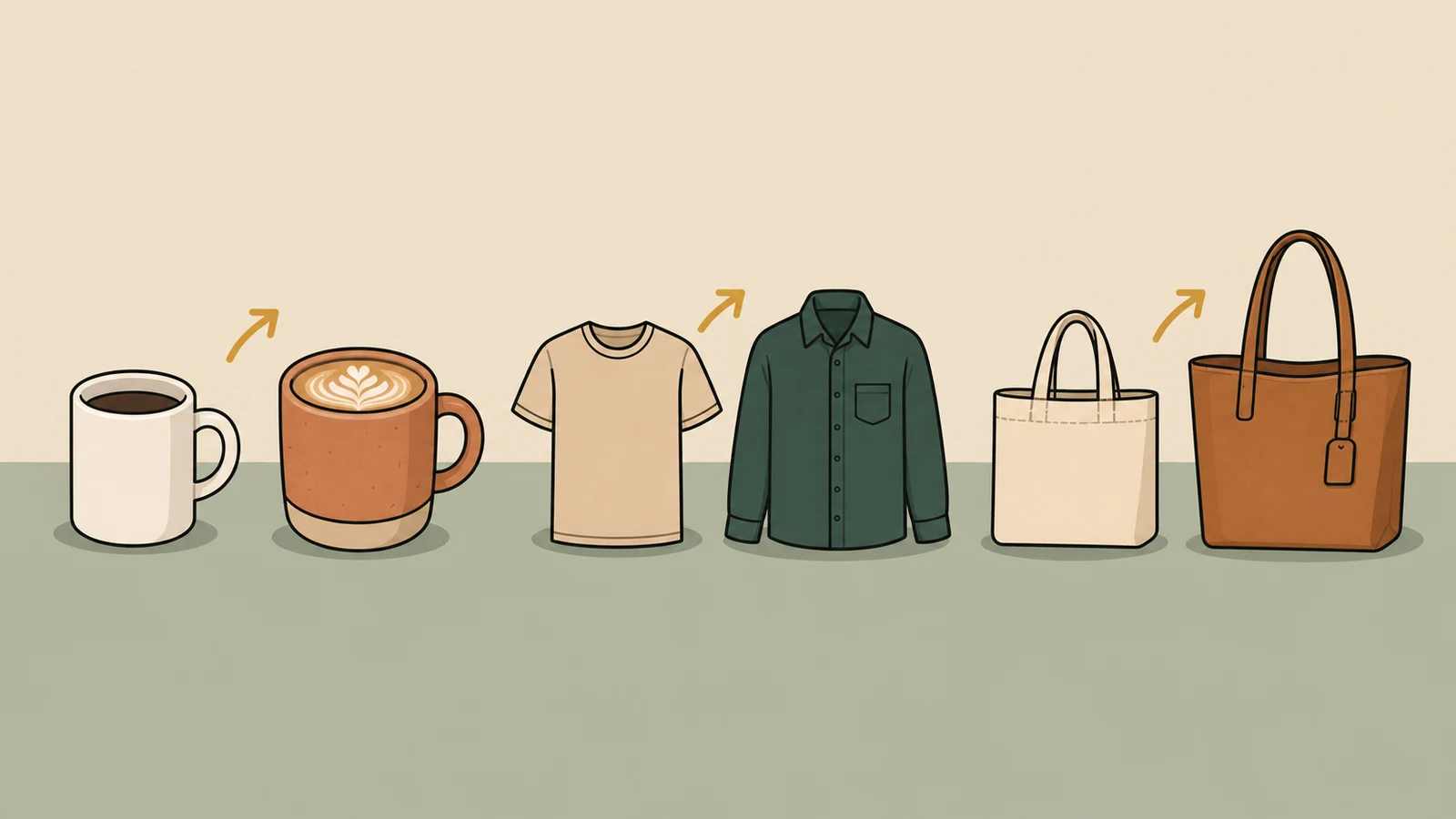
Lifestyle creep is what happens when higher income quietly becomes higher spending.
Not all of that is bad. A raise should be allowed to improve your life. The problem starts when every extra dollar gets absorbed before you decide what you wanted it to do.
Lifestyle creep is rarely one dramatic purchase. It is usually a bunch of small upgrades wearing a trench coat.
The Upgrades Feel Normal Fast
The first time you spend more on convenience, food, subscriptions, clothes, travel, or a nicer apartment, it may feel like a choice.
After a while, it feels normal.
That is the sneaky part. Your new baseline becomes the default, and the raise that was supposed to create breathing room starts feeling invisible. You make more, but your checking account still gives you the same look at the end of the month.
The point is not to reject every upgrade. The point is to notice which ones actually make life better.
Common Places Creep Shows Up
Lifestyle creep tends to hide in categories that feel reasonable one at a time.
Watch for:
- More meals out because work is busy.
- Higher grocery spending without fewer takeout nights.
- Subscriptions that keep stacking up.
- More expensive gifts, trips, or social plans.
- A nicer car payment than your old budget can comfortably support.
- Small home upgrades that never seem to end.
- Convenience purchases that become automatic.
None of these are automatically wrong. The issue is whether they match your priorities.
Use The Raise Before It Disappears
The easiest time to direct new income is before it blends into normal spending.
If your paycheck increases, choose a split. You might send part to savings, part to debt payoff, and part to better everyday life. Enjoying a raise without spending the whole raise is not about being joyless. It is about deciding on purpose.
For example, if take-home pay rises by $200 a month, you might send $75 to savings, $75 to debt, and keep $50 for real-life upgrades. That gives the raise more than one job.
Keep The Upgrades That Matter
Some spending is worth keeping.
Maybe the gym membership helps your health. Maybe grocery delivery protects your Sunday afternoon. Maybe a slightly nicer apartment makes your commute safer and shorter. Money is supposed to support your life, not just sit in a spreadsheet looking obedient.
The test is simple: would you choose this upgrade again if you had to decide today?
If yes, keep it and plan around it. If no, it may be creep.
Watch For Commitment Spending
Lifestyle creep gets harder to reverse when it turns into a contract.
A higher car payment, larger rent payment, financed furniture, or long subscription commitment can lock in the new spending. Flexible upgrades are easier to adjust. Fixed monthly obligations demand more caution.
Before adding a new fixed payment, ask how it would feel during a lower-income month, a job change, or an emergency.
If the answer is “extremely spicy,” slow down.
Build A Creep Check
Once a month, review the expenses that grew without a clear decision.
Look at:
- Subscriptions.
- Food and delivery.
- Shopping.
- Transportation.
- Social spending.
- New fixed payments.
Pick one category to adjust. Do not try to fix everything at once. A focused review is more useful than a dramatic budget reset you never want to repeat.
Try This
Find one upgrade from the last few months.
Ask whether it made your life better, made your future stronger, or simply became invisible. If it matters, keep it. If it does not, redirect that amount to savings, debt, or a goal you actually care about.
Lifestyle creep is not a villain. It is a reminder to spend like you got a vote.