What Sinking Funds Are And Why They Help
A beginner-friendly explanation of sinking funds, how they differ from emergency savings, and how to start one with small transfers.
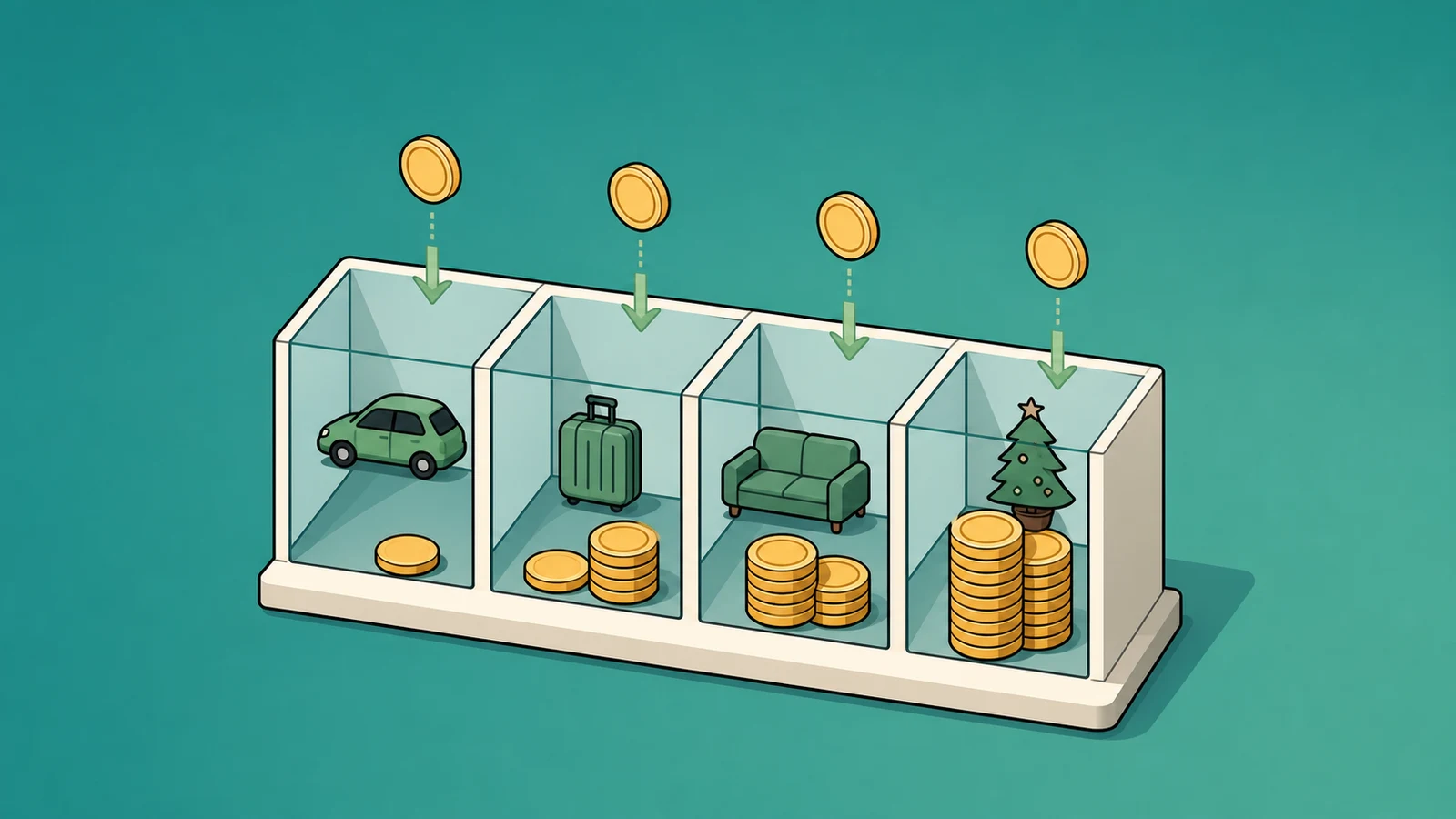
A sinking fund is money you set aside for a specific future expense before it arrives.
That is the simple version. The useful version is this: a sinking fund turns a predictable expense into a series of small deposits instead of one stressful payment.
Car insurance due in six months? Holiday travel? School fees? Annual subscriptions? These are not exactly emergencies. They are more like calendar ambushes.
A sinking fund gives them a place to land.
A Sinking Fund Is Not The Same As An Emergency Fund
Emergency savings are for expenses you cannot predict well, such as a sudden repair, medical bill, or income gap.
A sinking fund is for expenses you can see coming, even if you do not know the exact amount yet.
That difference matters because mixing everything into one savings account can make the balance hard to trust. You may have $900 in savings and feel pretty good, then realize $600 of it is already quietly promised to car insurance next month.
The money was there. It just had a job you had not named yet.
Good Sinking Fund Categories
Start with expenses that are irregular but not surprising.
Useful sinking fund categories might include:
- Car insurance or registration.
- Car repairs and tires.
- Holidays and gifts.
- Back-to-school costs.
- Pet care.
- Annual subscriptions.
- Home repairs.
- Medical or dental costs.
- Travel.
You do not need a separate fund for every possible expense. Too many tiny buckets can become confusing. Pick the expenses that keep knocking your budget sideways.
How To Calculate The Transfer
The math is friendly.
Take the expected cost and divide it by the number of pay periods or months before the expense arrives.
If car insurance will cost about $600 in six months, that is $100 a month. If that is too much, you still learned something important: the expense needs a partial plan, a cheaper policy review, extra income, or a different deadline.
Even half the amount helps. Saving $50 a month would not cover the whole $600 bill, but it would reduce the hit to $300. That is not failure. That is less chaos.
Start With One Fund
The easiest sinking fund is the one attached to an expense you already know is coming.
Choose one category and one transfer amount. Then put the money somewhere separate from everyday checking. A separate savings account, savings bucket, or labeled spreadsheet can work. The label matters because it keeps the balance from looking available for everything.
If manual transfers keep getting skipped, use automatic transfers for the amount you can trust. Small and consistent beats bold and canceled.
Do Not Make It Too Perfect
Real expenses are messy.
The car repair may cost more than expected. Holiday spending may change. A subscription may renew before you remembered it existed. The fund does not need to predict every dollar perfectly to be useful.
Think of it as softening the landing.
If you expected a $400 expense and saved $275, the remaining $125 still has to be handled. But that is easier than handling the whole thing at once.
What If You Are Still Building Emergency Savings?
You can build a small emergency cushion and one sinking fund at the same time, but keep the amounts realistic.
For example, you might send $20 per paycheck to emergency savings and $10 per paycheck to a car fund. If that is too tight, start with the emergency cushion first and add the sinking fund later.
The order depends on your situation. If a known bill is coming soon, ignoring it may create the next emergency. If your checking account has no cushion at all, saving for a distant annual bill may not be the first move.
This is personal finance, which means the calendar gets a vote.
Try This
Look at the next three months.
Find one expense that is not monthly but is likely to show up. Give it a name, estimate the amount, and divide it by the number of paychecks before it arrives.
Then move the first small amount.
A sinking fund is not fancy. It is just future-you getting a little warning and a little cash at the same time.