How To Save Your First $500 Without Rebuilding Your Whole Life
A clear starter plan for saving your first $500 with small repeatable moves instead of a full budget overhaul.
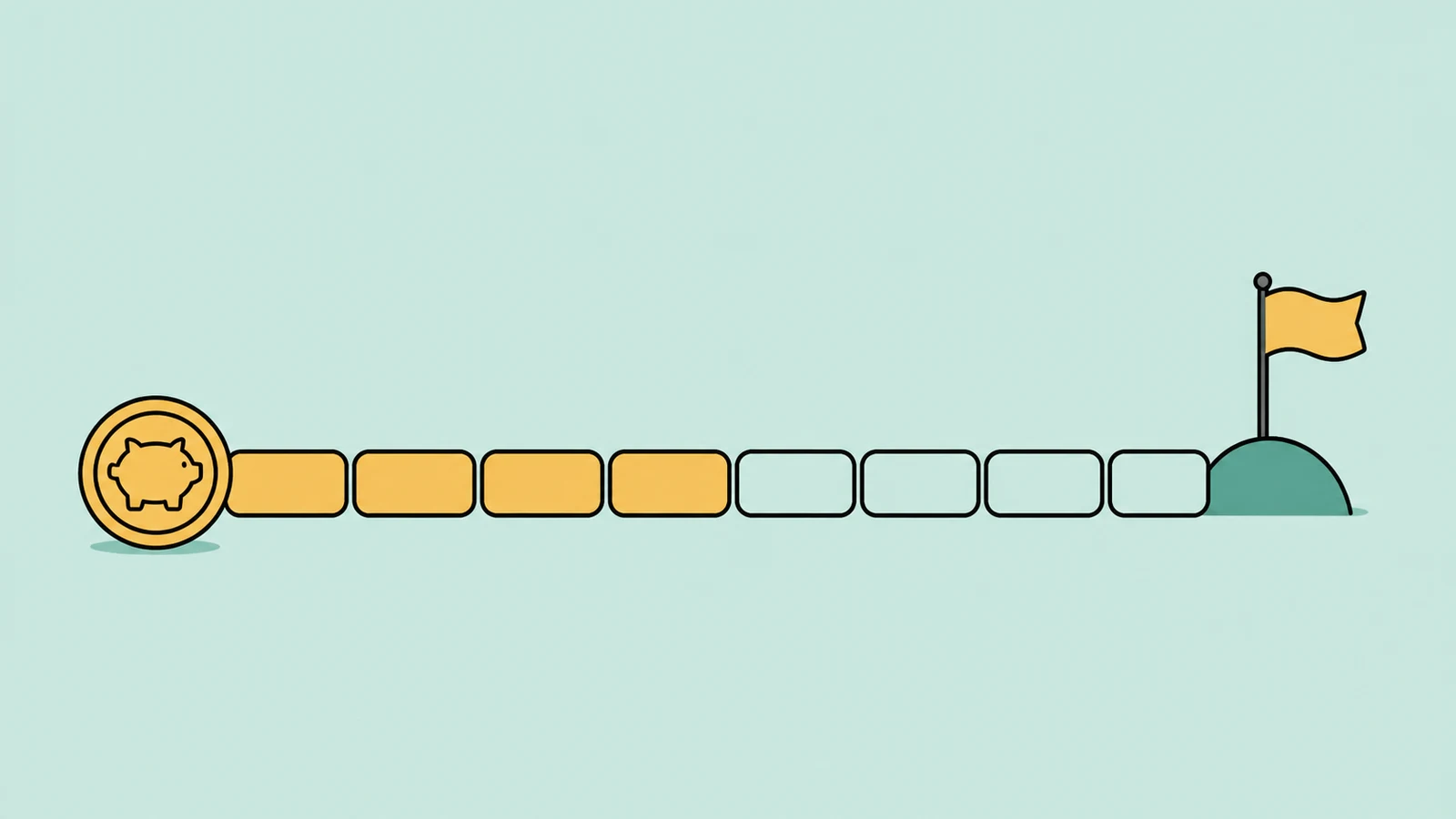
Saving your first $500 can sound like a serious financial milestone.
It is. But it does not need to become a full personality change.
You do not have to become someone who loves spreadsheets, meal prep, or saying “we have food at home” with courtroom confidence. You just need a repeatable route from here to $500.
The goal is not to make saving feel grand. The goal is to make it visible.
Why $500 Is A Useful First Target
Five hundred dollars will not cover every emergency. It may not cover a major car repair, a medical bill, or a missed paycheck.
But it can cover a lot of the small problems that usually get expensive because there is no cash nearby.
Think about:
- A utility bill that lands early.
- A tire patch or small repair.
- A copay.
- A school fee.
- A replacement phone charger, prescription, or work expense.
Those are the kinds of expenses that can push people onto a credit card. A $500 cushion gives you a little room to handle them without turning every surprise into debt.
If $500 feels too high today, start with the first $100 in savings. The number can grow. The habit is the real starting line.
Pick A Route You Can Repeat
There are many ways to reach $500. The best one is the one you can keep doing.
Here are a few normal routes:
- $10 a week for 50 weeks.
- $20 a week for 25 weeks.
- $25 per paycheck for 20 paychecks.
- $50 per paycheck for 10 paychecks.
- One larger transfer from a refund, bonus, or extra paycheck.
None of those options is magical. That is good. Magic has terrible customer support.
Choose the route that does not wreck your checking account. If the transfer causes overdrafts, missed bills, or more credit card use, it is too aggressive. Lower the number and keep the direction.
Separate The Savings
If your $500 fund sits in the same checking account as groceries, gas, and subscriptions, it can disappear quietly.
Separation helps.
Use a separate savings account, a savings bucket, or a clear account nickname. Call it something obvious:
- First $500
- Starter Cushion
- Emergency Buffer
- Car And Life Stuff
- Do Not Touch Unless It Is Actually Useful
The name is not decoration. It gives the savings a job. A balance with a job is easier to protect than cash sitting in a general pile.
Make The First Transfer Small
The first transfer does not need to be impressive.
Move $5 if that is what works today. Move $1 if the week is tight. The purpose of the first transfer is to start the account, not to prove anything to an imaginary finance panel.
Once the account exists, your brain has something concrete to return to. You can see the balance. You can watch it grow. You can add to it when income arrives or when spending comes in lower than expected.
That visible progress matters.
Protect The Cushion From Fake Emergencies
Before the balance grows, decide what it is for.
A real emergency fund is for expenses that are urgent, necessary, and hard to avoid. A sale is not an emergency. A new gadget is not an emergency. A dinner out because the day was annoying might be very understandable, but it is probably not an emergency.
That does not mean you never spend on fun. It means the emergency fund should not be asked to do every job.
If possible, keep a small amount of flexible spending in checking so the savings cushion does not become the backup plan for every normal want.
What Happens After $500
Once you hit $500, pause for a minute. That is a real milestone.
Then choose the next target. You might build toward $1,000, one month of essential bills, or a fund tied to a specific risk like car repairs. If you have high-interest credit card debt, you might keep the $500 cushion in place and send extra cash toward the card.
The right next step depends on your situation.
The important part is that the first $500 gives you options. It creates a little space between life and the most expensive way to handle life.
Try This This Week
Open or rename one savings bucket for your first $500. Schedule one transfer you can repeat without creating a new problem.
Then write the target somewhere visible:
$0 to $500
Every transfer moves the number. That is the whole game for now.