What APY Means On A Savings Account
A clear starter explanation of APY, how it differs from the interest rate, and what to check before choosing a savings account.
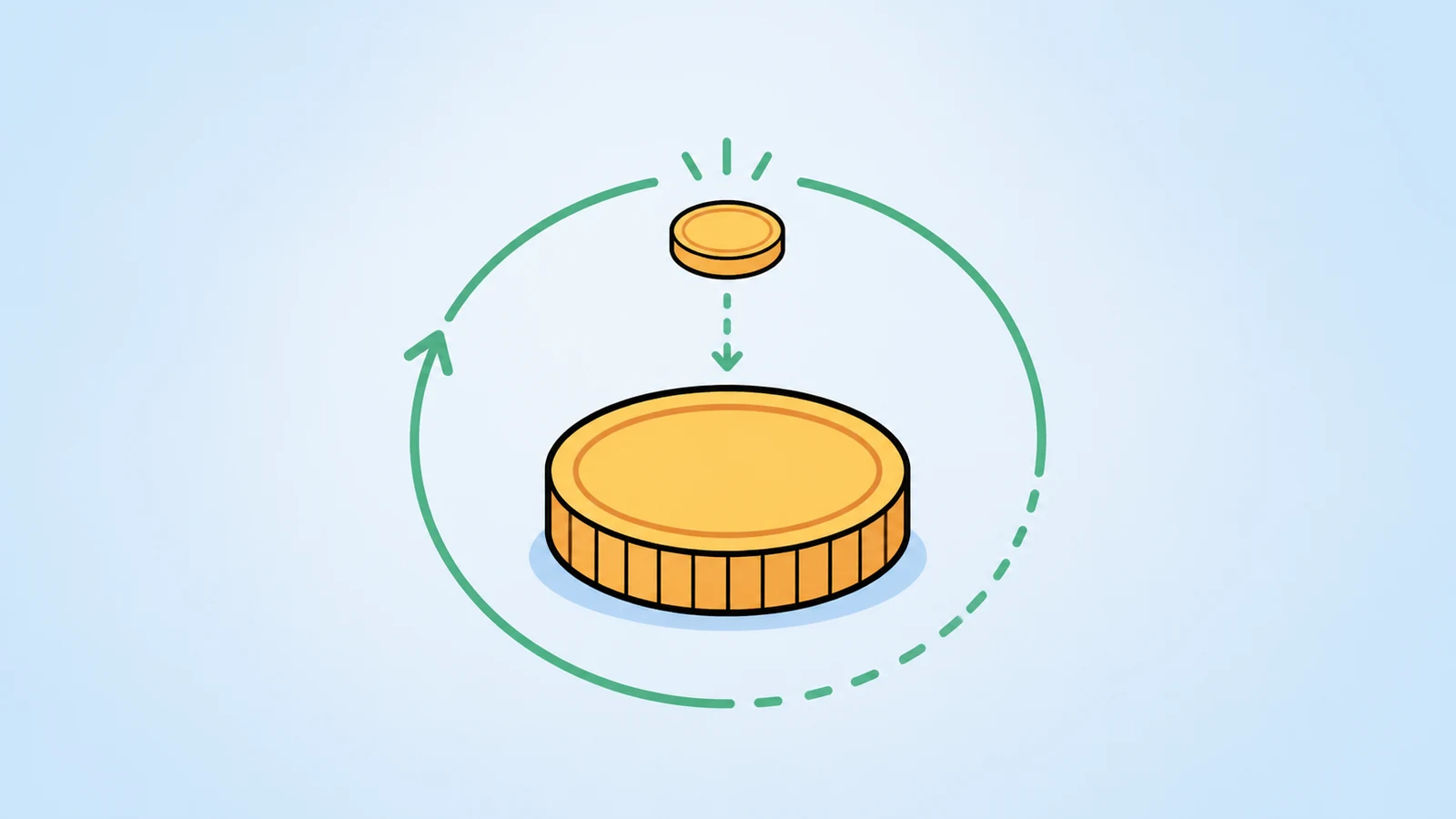
APY stands for annual percentage yield.
On a savings account, APY is a way to describe how much the account could earn in a year, including the effect of compounding, if the rate stayed the same.
That last part matters. Savings account rates can change. APY is useful, but it is not a promise that the rate will stay fixed forever.
If rate shopping feels a little tedious, that is normal. The goal is not to become a full-time savings account analyst; it is to know whether the account is doing its job.
APY vs. Interest Rate
The interest rate tells you the basic rate the bank uses to calculate interest.
APY goes a step further. It includes compounding, which means interest can earn interest after it is added to the account.
For many savings accounts, the difference between the stated interest rate and APY may be small, but APY is still useful because it gives you a more complete comparison between accounts.
If two accounts have the same fees, rules, and access, the higher APY generally earns more. But APY is not the only factor to check.
A Small Example
Imagine you have $1,000 in savings.
If the account’s APY were 4%, a full year at that APY would mean roughly $40 in interest before considering any rate changes, withdrawals, fees, or taxes.
That does not mean every month earns exactly the same amount. Banks calculate and credit interest according to their own account terms. It also does not mean the APY will stay at 4%. Savings APYs can rise or fall when market conditions and bank policies change.
The simple takeaway is this: APY helps you compare the earning potential of savings accounts, but it should be read with the account details.
Check Fees Before Chasing Yield
A higher APY can be useful, but fees can erase the benefit.
Before choosing a savings account, check:
- Monthly maintenance fees.
- Minimum balance requirements.
- Transfer limits or withdrawal rules.
- Whether the rate applies to all balances or only certain tiers.
- How quickly you can access the funds.
If an account pays more interest but charges fees you are likely to trigger, it may not be the better choice.
Savings should be boring in a good way. Surprise fees are the wrong kind of excitement.
Emergency Savings Need Access
APY matters, but emergency savings also need to be available when life sends a bill.
That does not always mean the account has to be connected to your main checking account. Some separation can help protect savings from everyday spending. But the cash should still be reachable without major delays, market risk, or penalties.
This is why emergency savings usually do not belong in stocks, crypto, or other volatile investments. A higher possible return is not helpful if the balance drops in value right when you need it.
For a starter cushion, stability and access matter more than squeezing out every last bit of yield.
Rates Can Change
Savings APYs are often variable.
That means a bank can raise or lower the rate. A rate that looks strong today may be less competitive later. It is reasonable to check your savings APY occasionally, especially if your account has been sitting untouched for a long time.
That said, do not make rate chasing your entire hobby. Moving funds constantly for tiny differences can become more effort than it is worth, especially for a small starter fund.
The bigger win is usually building the habit and keeping savings safe.
Try This This Week
Look up the APY on your current savings account.
Then check three things: whether there is a monthly fee, whether there is a minimum balance, and how quickly you can access the funds.
If the account is safe, accessible, and fee-free for your situation, it may be doing its job. If it earns very little or has annoying fees, you have a useful reason to compare options.