What To Do After Paying Off A Credit Card
A practical guide to keeping momentum after a credit card payoff, from protecting the zero balance to choosing the next savings or debt move.
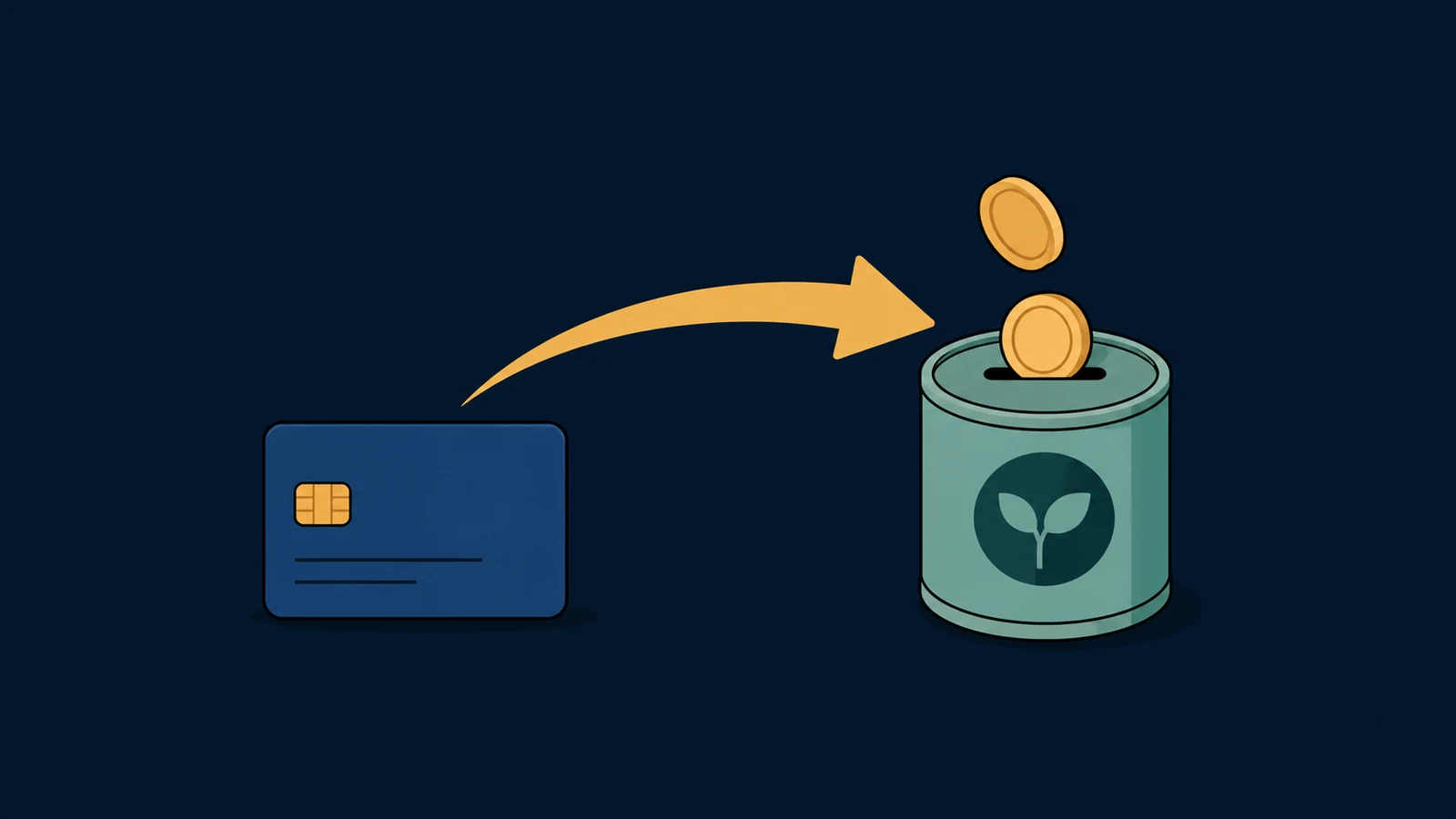
Paying off a credit card feels good for about twelve seconds before a new question appears:
Now what?
That question matters. A paid-off card is progress, but the weeks after payoff are when the new habit either settles in or quietly unravels. The goal is to protect the win without turning your life into a financial lockdown.
Confirm The Balance Is Actually Zero
First, check the account after the next statement closes.
Credit cards can have trailing interest, which is interest that appears after you thought the balance was gone. This can happen when you carried a balance and interest was still accruing between the last statement and the payoff date.
If a small amount appears, pay it before the due date. Annoying? Yes. Unusual? Not really.
You are not doing anything wrong by checking twice.
Keep The Payment Habit For One More Month
If you were sending $150 or $300 a month to the card, do not let that money disappear immediately.
You have already proved that your budget can survive without spending that amount somewhere else, at least for now. Before lifestyle fills the space, give the freed-up payment a new job.
That might mean:
- Building a starter emergency cushion.
- Paying another high-interest debt.
- Saving for a known expense.
- Catching up on a bill.
- Starting a small investing habit if the foundation is stable.
This is where momentum helps. The old payment can become the next financial move.
Decide Whether To Use The Card
A paid-off credit card can be useful or risky depending on your habits.
If using the card for normal purchases helps you earn rewards and you pay the statement balance in full every month, it may be fine to keep using it carefully. If using the card tends to restart a balance you cannot clear, consider pausing card use for a while.
There is no moral trophy for using or not using a card. The point is whether the tool helps.
One practical middle ground is to put one small recurring bill on the card, set autopay for the statement balance, and keep everyday spending on a debit card or checking account. Only do this if the autopay timing will not create overdraft risk.
Build A Buffer Against The Next Swipe
Many credit card balances come back because there is no cash cushion.
The next car repair, medical cost, or awkwardly timed bill arrives, and the card becomes the emergency fund. That is understandable, but expensive.
If you do not have cash set aside, consider sending the old card payment into savings until you have at least a small buffer. Saving your first $500 can make the next surprise less likely to turn into new debt.
Review The Interest And Fees
Once the balance is gone, review the card terms.
Check the annual fee, interest rate, rewards, credit limit, and any subscriptions attached to the card. If the card has an annual fee and you do not use the benefits, you may want to ask the issuer whether a no-fee product change is available.
Be careful before closing an account, especially if it is one of your older cards or affects your available credit. Closing a card can change your credit utilization, which is the share of available credit you are using. A lower utilization rate can generally help credit scores, while a higher one can hurt.
That does not mean you must keep every card forever. It means the decision deserves a quick check first.
Do Not Spend The Payoff Twice
The sneakiest part of a payoff is feeling richer before your plan has changed.
You may have more breathing room each month. That is real. But if the old payment gets spent casually while the same card starts carrying a balance again, the progress gets blurry fast.
Choose the new job before the money gets absorbed.
Try This
For the next month, move the old credit card payment to one clear place.
If you have no emergency cushion, send it to savings. If another card is charging high interest, send it there. If a known bill is coming, use a sinking fund.
Paying off a card is a big step. The next step is making sure the payoff keeps working after the celebration snack.