How To Restart Your Financial Plan After Falling Off
A practical way to restart your financial habits after a messy month without turning the comeback into a giant project.
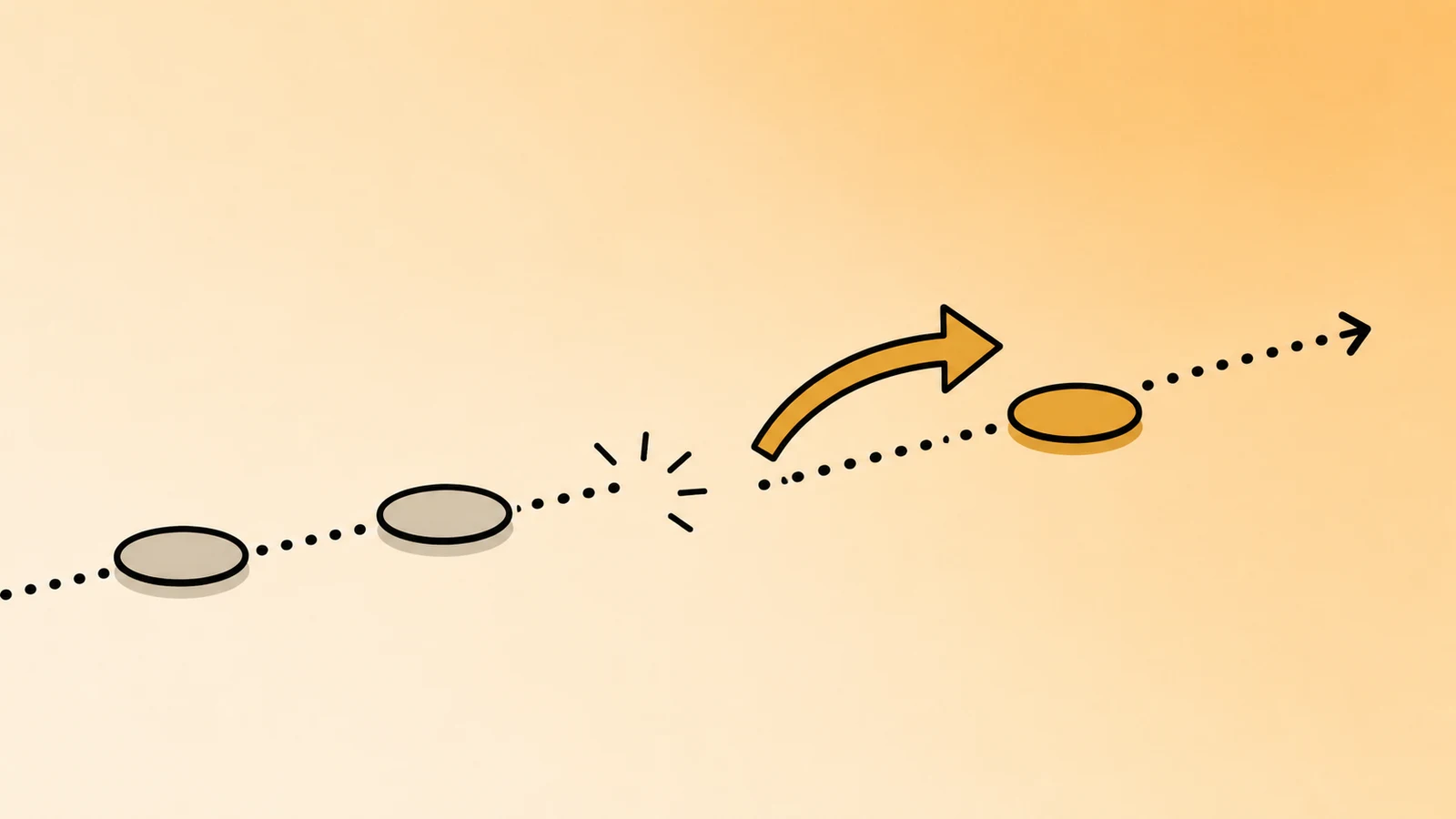
Falling off your financial plan can feel weirdly dramatic.
You miss a transfer. Then you order takeout twice. Then a bill lands at the wrong time. Suddenly the whole plan feels like it has been voted off the island.
But a financial plan is not ruined because you had a messy month. It is only ruined if the plan requires perfect behavior forever, which is not really a plan. That is a decorative trap.
The restart matters more than the streak.
Start With The Current Number
The first step is not a lecture. It is a number.
Open your checking account, savings account, and credit card balance. Write down what is true today. Not what should have happened. Not what would have happened if the month had been calmer. Just today.
You are looking for:
- How much cash is available right now.
- Which bills still need to be paid before the next paycheck.
- Whether any credit card balance is carrying over.
- Whether savings went down, stayed flat, or grew.
This is not a trial. It is a weather report.
Once you know the current number, the next move gets smaller. You are not fixing your entire financial life. You are deciding what needs attention first.
Pick The Next Useful Move
After a messy month, it is tempting to create a dramatic comeback plan. No spending. Huge savings transfer. Perfect meal prep. Spreadsheet with tabs that judge you silently.
That usually lasts about six hours.
Pick one useful move instead.
If a bill is coming up, protect the bill. If a credit card balance grew, make a payment you can afford. If your savings cushion got used, restart it with a small transfer. If everything is basically stable, schedule the next automatic savings move.
The point is to restore direction.
A small move can do that. The first transfer after a break has the same psychological job as the first $100 in savings: it proves the plan is active again.
Lower The Restart Bar
A restart should be easy enough to actually do.
Try one of these:
- Move $5 to savings.
- Pay $10 extra toward a card.
- Cancel one subscription you no longer use.
- Set one bill reminder.
- Plan the next three days of spending.
None of these will win a trophy. That is fine. Trophies are not the point. Momentum is.
A lot of people quit because they think the restart has to make up for the whole gap. It does not. You do not need to save three missed transfers at once if that creates another bad week. You need to restart the system in a way you can repeat.
Look For The Friction
After the restart, ask why the plan fell off.
Sometimes the answer is just life. Car repair. Sick kid. Weird paycheck timing. A month can be expensive without anyone doing anything foolish.
Other times, the plan had a weak spot:
- The transfer amount was too high.
- The budget ignored normal fun spending.
- Bills were due before the paycheck landed.
- Everything depended on remembering manually.
- Savings sat in checking and blended into regular spending.
That last one is common. If your savings keeps getting absorbed, a separate account or savings bucket can help the balance keep its job.
You are not looking for a reason to feel bad. You are looking for the part of the setup that needs a better design.
Make The New Plan Smaller
If the old plan broke, try making the next version smaller.
Save $10 a week instead of $50. Check balances every Friday instead of every day. Keep one flexible spending category instead of tracking every small purchase. A plan that survives a normal week is better than a perfect plan that only works when nothing happens.
Once the smaller plan holds, you can raise the number.
That is the quiet trick. Start with the version you can keep, then improve it. Financial habits get stronger through repetition, not punishment.
Try This This Week
Do one 15-minute reset.
Write down your current balance, the next bill due, and one financial move you can make today. Then make that move before you close the tab.
It can be small. Especially if it is small.
The comeback does not need a speech. It needs one clean action that tells your plan, and your brain, that things are moving again.